
Most of the audit findings focus on the study conduct and data collection during the study, but one of the most difficult problems that you encounter in the regulatory inspections is that the study documents that were taken out of the archive for the regulatory inspections were illegible or unusable due to the damage and/or loss (e.g. physically deteriorated with mould, misplaced/lost etc).
The study might have finished 10 years ago, and the documents were kept ‘somewhere’ until they will be called out for the inspections, and by then, all of the study staff (at the investigator site level or at the CRO level or at the sponsor’s project level) might have been ‘gone’ (e.g. married and left the company, passed away, moved onto another industry etc); and those who have to deal with the regulatory inspection may not be familiar with the study and how it was conducted [because they did not conduct the study themselves].
In this kind of situation, the archived documents are the only source of information to defend the compliance of the study. Yet, so many study documents were left in the poor conditions for such a long time that they could not survive during the time of ‘being forgotten’.
We encountered some terrible incidents. For example,
- the patient notes were ‘misplaced’ from the hospital medical record library during the library relocation
- the whole box of the study documents became mouldy and illegible, because the box was under the leaking bathroom upstairs and totally wet
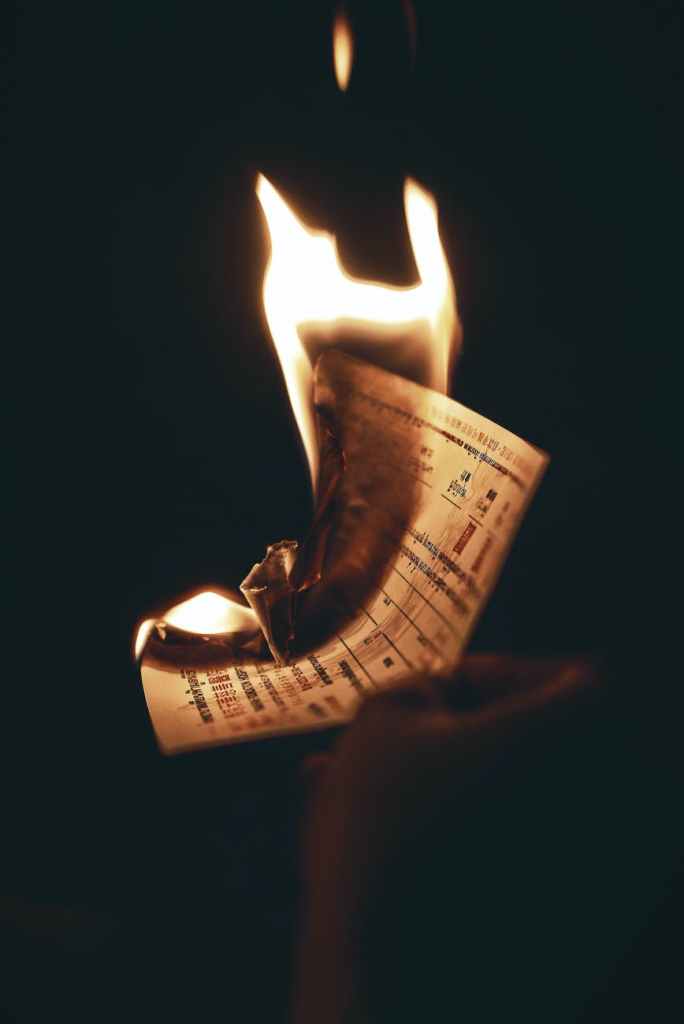
- a (homeless) intruder from the window of the garage [the garage was being used as an archiving room] tried to make the space warm and comfortable, and burned the documents in there [and the whole study documents were gone].
- silverfish had eaten/ made holes in the document (and the source data were illegible).
So, check for the fire safety, water and pest control.
The common findings are:-
- no heat/ smoke detector, no fire alarm
- no fire extinguisher around
- shelves too close to the walls [the items may become wet due to condensation on the walls, and become mouldy]
- card/paper boxes used as a container [to avoid becoming wet, it is recommended to use a durable container that water will not penetrate]
- water pipe running around or above the items or bathroom/toilet just above the archiving room
- glass windows large enough to humans to get through [for security reasons, it should be small enough for no animals/humans to get through. ]
- underground archiving room in the floodplain [once the area is flooded, the archived items will sink]
- no inventory of what are stored/archived and where
- no item transfer tracker (sign-in sign-out log) and no one knows who borrowed what
- poor or no pest management (e.g. rodents, arthropods, etc).
 Clinical Trial QA